Classic vs. Modern Stroopwafels: What Changes When You Cut the Sugar?
Understanding the stroopwafel tradition
The stroopwafel is one of those foods that feels inseparable from its origin. Thin waffle discs pressed together with a layer of warm caramel syrup, the combination is simple, and the pleasure is immediate. For generations in the Netherlands, these caramel filled wafels have been a coffee-time staple, often served by placing one on top of a steaming mug so the heat softens the filling just before you bite in. The texture matters: the waffle should be crisp but not brittle, the syrup chewy but not stiff.
Over the past decade, a growing number of people have started looking for lower-sugar versions of their favourite treats. The stroopwafel has not been exempt from this shift. Modern recipes now aim to keep the same flavour profile and mouthfeel while reducing the amount of sugar in the filling or in the dough. That might sound straightforward, but anyone who has tried a low-sugar biscuit knows that cutting sugar changes more than the sweetness level. It changes how the waffle bakes, how the syrup sets, and how the whole thing feels when you eat it.
What makes a traditional stroopwafel work
A classic stroopwafel relies on two main components: the waffle discs and the caramel filling. The waffle batter is typically made from flour, butter, eggs, yeast, and a modest amount of sugar. The filling is where most of the sweetness lives, a thick caramel syrup made from sugar, butter, and sometimes a little cinnamon or vanilla. When the hot waffle comes off the iron, the filling is spread onto one disc, the second disc is pressed on top, and as everything cools, the syrup sets into a soft, chewy layer.
The sugar in the syrup does more than sweeten. It controls the texture. When the syrup is warm, it flows easily. As it cools, the sugar molecules form a structure that gives the filling its characteristic stretch and give. If you reduce the sugar, you have to find another way to achieve that same soft chew. Some modern versions use sugar alcohols, fibre syrups, or natural sweeteners such as stevia or monk fruit. Each of these behaves differently when heated and cooled, so the texture of the final filling can range from too runny to too firm.
The waffle itself also changes with less sugar. In the traditional recipe, a small amount of sugar in the dough helps with browning and crispness. When that sugar is reduced, the waffle may turn out paler or less crunchy. Bakers often compensate by adjusting the fat content or the baking time, but the result is rarely identical to the original.

How lower-sugar versions compare
Modern lower-sugar stroopwafels generally fall into two camps: those that use a sugar substitute in the filling and keep the waffle close to the original, and those that reformulate both the waffle and the syrup. In either case, the goal is to deliver something that tastes like a real stroopwafel without the sugar spike.
One common approach is to use a fibre-based syrup. Fibre adds bulk and a syrup-like consistency without contributing much sugar. It also has a neutral taste, so the caramel flavour can still come through. The downside is that fibre does not caramelise the same way sugar does. The filling might be less glossy and may not firm up as nicely. It can also feel slightly less chewy, leaning toward a gummy or sticky texture instead.
Another route is to use a blend of sugar and a high-intensity sweetener. This lets the manufacturer keep some sugar for texture while cutting the total sugar content. The challenge here is balancing the sweetness so it does not taste artificial. Some sweeteners have a cooling aftertaste or a slow onset of sweetness, which can be noticeable if the blend is not fine-tuned.
Where the classic still wins
For purists, the original version remains the benchmark. The combination of a crisp waffle and a chewy, slightly sticky caramel filling is hard to beat. When you heat a traditional stroopwafel over a cup of coffee or tea, the syrup softens just enough to become almost liquid in the centre, while the edges stay firm. That contrast is part of the experience. Lower-sugar versions sometimes fail to reproduce this behaviour because the filling does not soften and flow the same way.
There is also the cultural tradition aspect. Dutch stroopwafels are not just a snack; they are part of a ritual. Placing the waffle on your cup, waiting a moment, and then biting through the warm layers is a small ceremony that many people enjoy. When the texture or the sweetness changes, the ritual can feel different. That does not mean the modern version is bad, but it is a different experience.
When the modern version makes sense
Lower-sugar stroopwafels are a good fit for people who want to enjoy a filled cookie without the sugar load. Someone who watches their carbohydrate intake, manages blood sugar levels, or simply tries to cut back on added sugars can still have a waffle with their coffee. The modern versions also tend to have more fibre, which can be a bonus for digestive health and satiety.
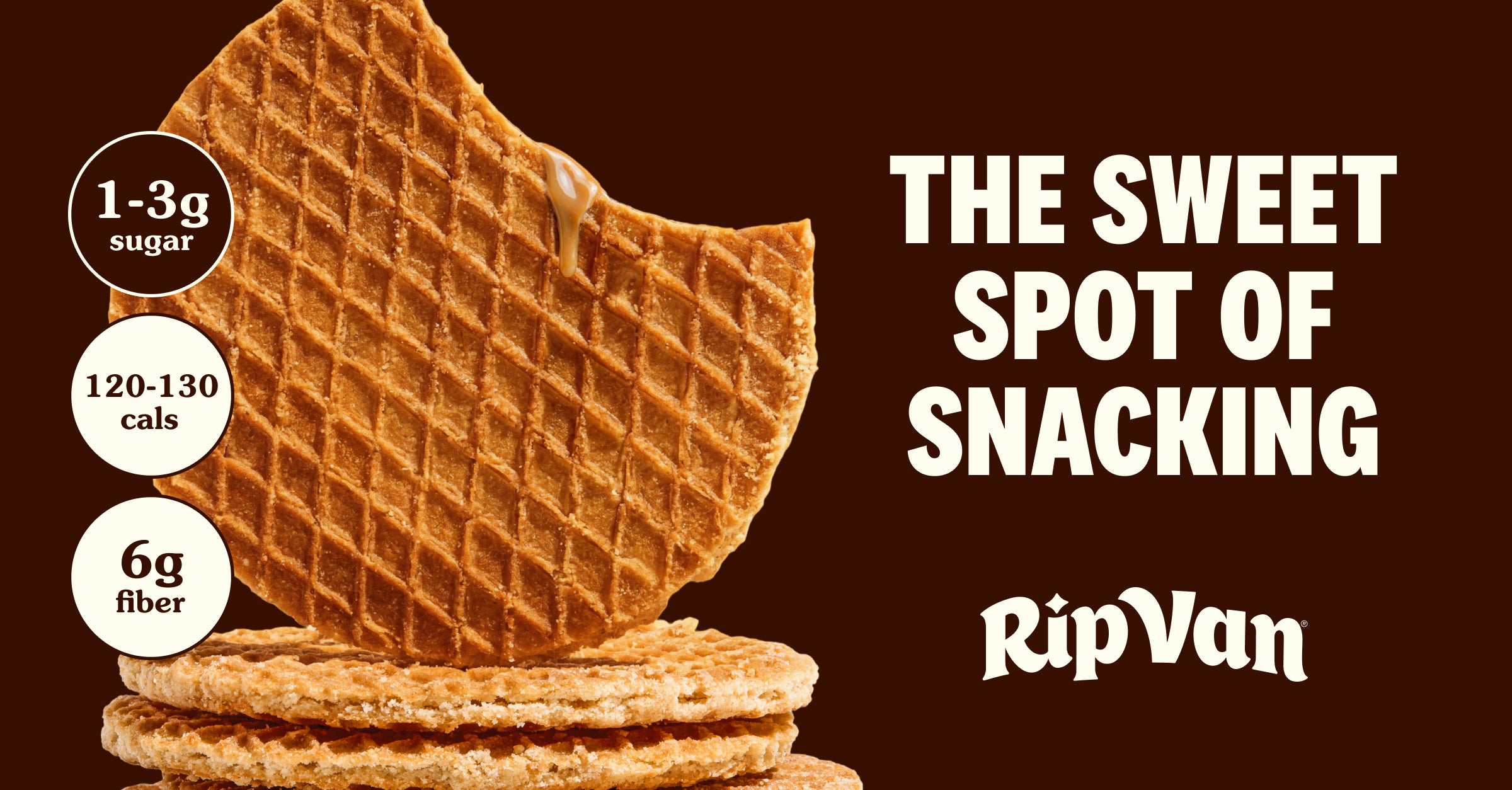
In terms of texture, some people actually prefer the less sweet, slightly more substantial feel of a fibre-based filling. It can be less messy and less likely to drip when the waffle is warm. For those who eat stroopwafels as a snack rather than a dessert, the lower sugar level may taste more balanced.
What to look for when choosing
If you are deciding between a traditional stroopwafel and a modern lower-sugar one, consider what matters most to you in the eating experience. Here are a few things to keep in mind:
- Sweetness level: Traditional versions are noticeably sweeter. If you prefer desserts that are not cloying, a modern version might suit you better.
- Texture of the filling: Look for a filling that stays chewy at room temperature and softens when warmed. Some lower-sugar fillings become runny too quickly or stay stiff.
- Waffle crispness: The waffle should snap when you break it, but not shatter. Check reviews or descriptions that mention the waffle's firmness.
- Ingredient list: If you avoid certain sweeteners or fibres, check what is used in the filling. Some modern recipes use chicory root fibre, others use erythritol or allulose.
- Intended use: If you plan to heat the stroopwafel over a drink, a traditional or hybrid version will usually give you the best melt-in-the-mouth effect.
Does either option compromise on taste?
That depends on your palate. A traditional stroopwafel has a rich, buttery caramel flavour that many people grew up with. The sugar is part of that flavour, not just a sweetness booster. When you reduce the sugar, you lose some of that caramel depth. However, a well-made lower-sugar version can still be very satisfying if the manufacturer has put effort into the recipe. The best ones use a combination of sweeteners and fibres that mimic the original texture closely, and they add flavour from other sources, such as real vanilla, cinnamon, or a touch of salt, to make up for the reduced sugar.
How the two fit into daily life
Traditional stroopwafels are a treat, and most people eat them as such. They are not something you would eat several of in one sitting. Modern lower-sugar versions function more like an everyday snack. Because they have less sugar and often more fibre, they can fit into a meal plan that aims for steady energy levels. You might have one with your afternoon coffee without feeling the need to count it as a dessert.
That said, the lower-sugar versions are still a processed food. They are not a health food. They are simply a different formulation that happens to have less sugar. The same principle applies: eat them in moderation and enjoy them for what they are.
Making your choice
If you have never tried a stroopwafel before, starting with the classic version gives you a clear reference point. You will know what the original tastes and feels like, and that will help you decide whether a lower-sugar version meets your expectations. If you already know the classic and are looking for a less sweet alternative, try a few different modern brands or recipes until you find one whose texture you like. The filling consistency varies quite a bit among producers.
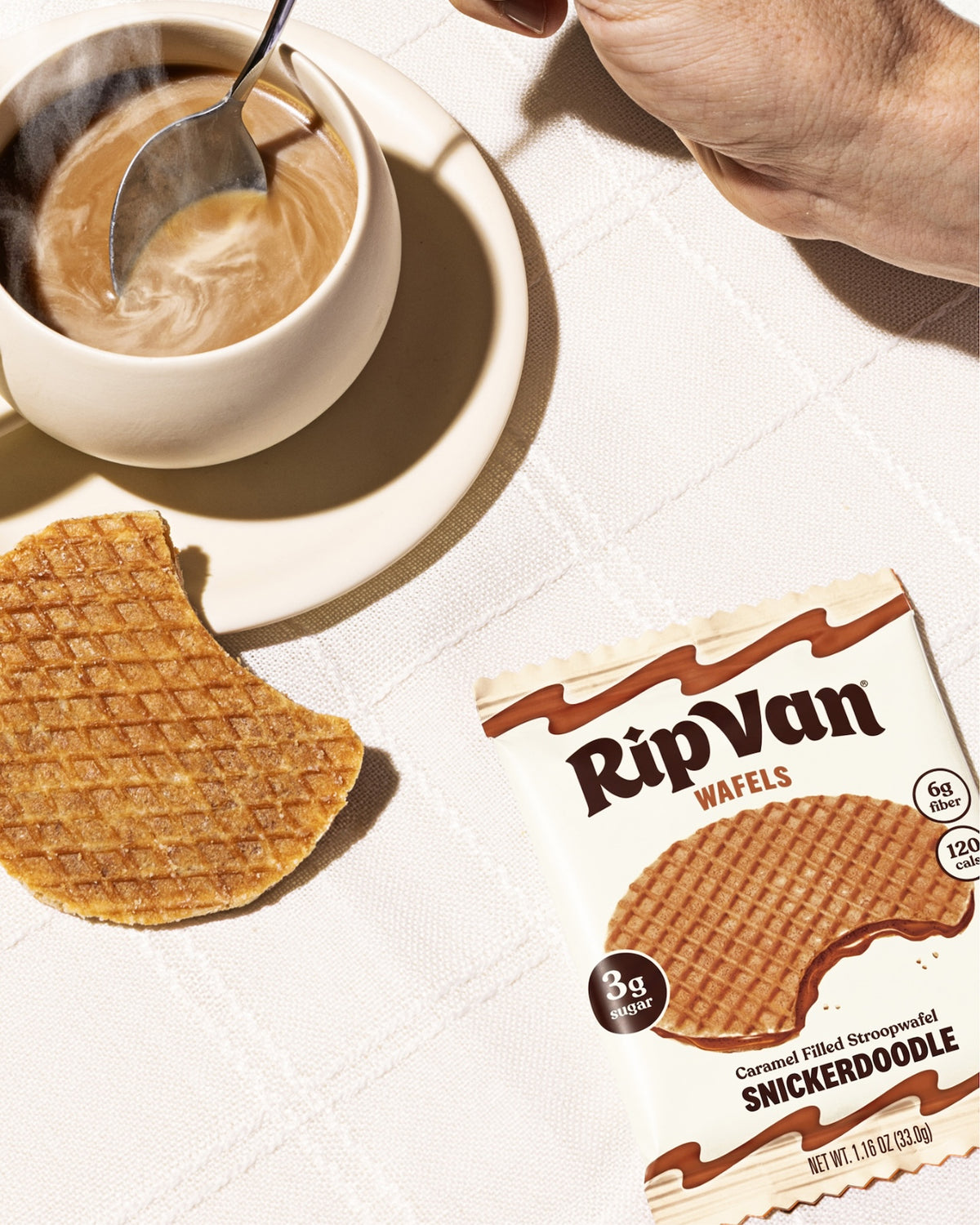
Dutch stroopwafels have been made the same way for over a century. The fact that people are now rethinking the recipe is a sign of changing tastes and priorities. It does not mean the old version is obsolete. It simply means there are more options on the shelf. Whether you stick with the original or explore the newer versions, the important thing is that you get a waffle that makes your coffee break a little better.
At the end of the day, a stroopwafel is a simple pleasure. The best one for you is the one you actually look forward to eating. If that happens to be a lower-sugar version with a slightly different texture, that is fine. If it is the classic syrup-packed disc, that is fine too. Dutch stroopwafels are versatile enough to accommodate both preferences.